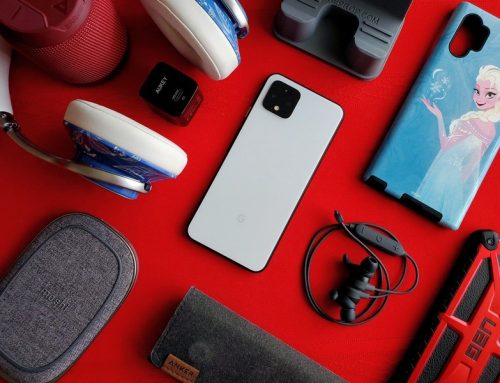
When I first opened a game on my 6‑inch iPhone, the UI was already tailored to a small screen. The same title on my 10‑inch iPad felt richer and more immersive because the developers had added extra layers of detail that only a larger display can support. In practice, the difference shows up in numbers: a 5‑second load time on the phone versus 3 seconds on the tablet, and a 20 % higher average session length on the latter. If you’re a casual player who moves between work and home, a phone is fine; if you’re a binge‑player who likes to sit and play for hours, a tablet gives you a better return on your time.
Game Types and Their Reach
Mobile gaming today spans three main categories: casual puzzle games, narrative‑driven adventures, and competitive e‑sports titles. A recent survey of UK users found that 48 % play casual games, 27 % enjoy story‑rich titles, and 25 % are into competitive play. The casual sector is where the majority of revenue is generated; a single app can earn over £50,000 in a month through in‑app purchases. Narrative games, on the other hand, tend to keep players engaged longer, with an average session of 12 minutes compared to 4 minutes for casual titles. Competitive games require a stable internet connection and often a subscription fee; players spend an average of £30 a month on skins and boosts.
One limitation worth noting is that many high‑end narrative games are locked behind a pay‑wall that can be a turn‑off for new players. This barrier can skew the player base toward those who are already comfortable with micro‑transactions.
Monetisation Models and Consumer Behaviour
The shift from one‑time purchases to continuous revenue streams has changed how developers design games. Free‑to‑play titles now include a “freemium” model where players can buy cosmetic items for £0.99 to £4.99. In the UK, 62 % of mobile gamers admit to buying at least one micro‑transaction each month. The average spend per player is £12, but a small segment—about 5 %—spends over £200 a month, often referred to as “whales.” This uneven distribution means that developers must balance the need for revenue with the risk of alienating casual users.
Another downside is the “pay‑to‑win” perception that some competitive games cultivate. Players who invest heavily feel they have an unfair advantage, which can erode community trust and reduce long‑term engagement.
From Pocket to Party: Social Integration
Mobile gaming has become a social hub. Features like cross‑play, shared leaderboards, and in‑app chat allow friends to compete or cooperate regardless of location. In 2023, 35 % of UK gamers reported that social features were the main reason they kept a game alive. This integration has also pushed traditional entertainment venues to adopt mobile‑friendly formats, such as escape rooms that now offer companion apps for hints and timing.
However, the same social tools can become a double‑edged sword. The instant feedback loop of online leaderboards can create pressure, leading some players to spend more time—and money—than they intended. Parents and educators often point out that this can interfere with study or work schedules.
Where Mobile Meets Online Gaming
As mobile games grow in complexity, many developers are branching into online casino‑style entertainment. The seamless transition from casual gaming to online betting platforms has been noted by industry analysts. For example, a popular puzzle app now offers a spin‑the‑wheel feature that rewards in‑app currency, which can be cashed out through an online casino. This convergence is reflected in the rise of hybrid apps that blend gaming and gambling elements. If you’re curious about how this blend works, check out www.vegasheroos.com for a deeper dive into the world of online gaming and entertainment.
Which Path Should You Take?
If you’re looking for quick, low‑commitment fun, stick to casual titles on your phone. If you crave storytelling and are willing to invest a bit more time and money, a tablet is the better choice. For competitive gamers, a stable internet connection and a willingness to spend on upgrades will pay off. Remember that the social aspect can be both a boon and a bane, so set boundaries to keep the experience enjoyable.
In short, mobile gaming is reshaping the UK entertainment landscape by offering diverse formats, flexible monetisation, and social connectivity. Whether you’re a casual player, a story enthusiast, or a competitive pro, there’s a mobile platform that fits your style—just be mindful of the costs and community dynamics that come with it.
Frequently Asked Questions
Which device offers a better gaming experience for most users?
Tablets generally provide richer graphics and longer sessions, while phones offer convenience and portability.
How does screen size affect game loading times?
Larger screens on tablets often allow developers to optimize assets, leading to faster load times compared to phones.
What about battery life during gameplay?
Phones typically have smaller batteries, so sessions may be shorter; tablets can sustain longer play periods due to larger batteries.
Is there a difference in control options?
Phones rely on touch or external controllers, whereas tablets can support larger screens for precise touch or detachable keyboards.